

If you're thinking about your first tandem jump, safety comes first. Below we reveal how Skydive Latvia's safety architecture works on every jump — starting with people and training, continuing with equipment and maintenance, and ending with weather decisions.

Safety 360°: People × Procedures × Equipment
People: Instructors with Experience and Licenses
The instructor is your safety "autopilot." Skydive Latvia instructors work according to international standards and local requirements, each performing hundreds of jumps annually and accumulating over a thousand jumps throughout their careers. Our team has extensive day-to-day practice with passengers, plus regular checks and training. Typical prerequisites for a tandem instructor: several years of experience, highest athlete license, specialized tandem course, medical fitness, and regular emergency procedure refresher training.
Procedures: Clear Protocols and Go/No-Go Decisions
- Double checks before each phase (harness, attachments, signals, plan).
- Standardized gestures and commands for in-flight communication.
- Go/no-go criteria for weather conditions, visibility, and wind — if any parameter is out of bounds, we postpone the jump.
- Event logs and learning — everything is documented and improved.
Equipment: Multiple Safety Layers
- Two parachutes — main and reserve, with regular inspections and professional repacking at set intervals.
- AAD (Automatic Activation Device) — a computer that automatically deploys the reserve parachute in an emergency.
- RSL (Reserve Static Line) — helps quickly deploy the reserve parachute after main parachute cutaway.
- Harness system — four attachment points and careful adjustment for each passenger.
Aircraft and Pilots: Why You Feel Safe "Before Exit"
Pilatus Porter PC-6 — A Safe STOL Workhorse
We use the Pilatus Porter PC-6 — one of the world's most recognized skydiving aircraft. It's a STOL (Short Take-Off and Landing) type aircraft with large wing area and effective flaps, providing low landing speed and short landing distances. Thanks to its aerodynamic properties and piloting, the PC-6 can make a safe landing even without a working engine — on small fields with appropriate surface and procedures. In practice, this means broader backup options and peace of mind.

International Pilot Team
Skydive Latvia flies with EU country pilots — including from France, Switzerland, Spain, and Germany. Pilots specialize in skydiving operations (flying with open doors, precise climb/descent profiles), and the combined team experience is measured in thousands of flight hours, translating to smooth, predictable flights and safe decisions.
Why We Hold the Bar So High
In addition to civilian jumps, we also conduct military training and work under military contracts. This means equipment maintenance, documentation, protocol compliance, and flight culture are maintained at the highest level — without compromise.
Why We Sometimes Postpone Jumps, Even When "It Looks Fine"
On the ground it might be sunny, but up there — it's a different world. We make decisions based on actual measurements and experience: wind gusts, cloud base, visibility, turbulence risk. If something is out of bounds, it's for your safety. We'd rather say "no" today to say "yes" to a safe jump next time.
Passenger Safety Checklist (1 Minute Before Booking)
- Honestly inform us about health conditions and medications; if anything is unclear, ask us a question.
- 12–24 hours before the jump — no alcohol; eat lightly 2–3 hours before arrival.
- Dress comfortably in closed athletic shoes; leave jewelry at home.
- No personal cameras/GoPro — filming is done by the instructor/operator for safety reasons.
- Be prepared for flexible timing — weather safety is the priority.
How to Choose a Safe Tandem Jump Center
Before deciding, ask these questions (and feel free to ask us too):
- What is the instructor's license and when was their last qualification renewal?
- How often is the reserve parachute repacked and who does it?
- What is your go/no-go criteria list for wind, clouds, and visibility?
- How are daily equipment checks done and where are they documented?
Myths vs Reality About Tandem Jump Safety
- Myth: "If from 4 km, then you can't breathe."
Reality: You can breathe normally — it feels like being in strong wind. - Myth: "If the main doesn't open, it's all over."
Reality: The system has a reserve parachute and electronic devices that help in emergencies. - Myth: "The instructor just holds on from behind."
Reality: The instructor controls everything — from exit to landing, following protocols. - Myth: "Safety = just equipment."
Reality: Safety starts with people and procedures; equipment is one of the layers.
Ready for a Safe Start?
We'll be happy to answer all safety questions before booking. When you're ready — book a tandem jump. If you want the step-by-step jump process, open the complete tandem jump process (step by step) in Riga.
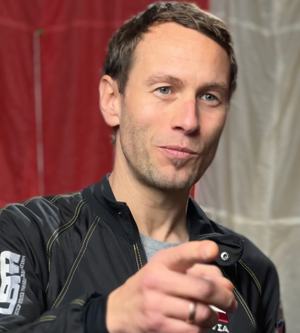
About the Author: Sergejs Plotnikovs
AFF Instructor. Tandem Instructor. Wind Tunnel Instructor. 20 years in the sport. Over 2000 jumps.
Connect on LinkedInFrequently Asked Safety Questions (FAQ)
What is AAD and does it work on every jump?
AAD is an electronic device that automatically deploys the reserve parachute in an emergency. Normally it is not used — it's like an airbag, activating only if human factors prevent following time/altitude limits.
Why aren't passengers allowed personal cameras?
Safety first: loose items can fall out, hit others, or get tangled in lines. Video is recorded by the instructor or operator with special mounts and procedures.
What does a "no-go" decision mean?
It means some parameter (wind, clouds, visibility) is outside safe limits. We choose not to create an unmanageable risk — better to reschedule to a safe time.
How often is equipment checked?
Equipment is checked before each jump day and before each jump, while reserve parachutes are repacked at regular intervals according to manufacturer and aviation authority requirements.
What if I still feel nervous?
That's completely normal. Tell your instructor about your feelings — they'll adjust the briefing and pace. For most people, nervousness disappears right after exiting the aircraft.
How to Practically Choose a Safe Dropzone (Quick How-To)
- Check licenses and industry affiliation (e.g., federation membership).
- Ask about reserve parachute repacking intervals and who performs them.
- Find out go/no-go criteria — they shouldn't be "by feel."
- How are daily equipment checks done and where are they documented?
If questions are answered clearly, you're probably in the right place. If answers are evasive — feel free to choose another.