

Last updated: 13 July 2026
Skydiving instructor is a certified profession with a defined path: a tandem jump, the AFF course, A–D licences and an instructor rating. USPA standards require at least 500 jumps and 3 years in the sport for a tandem instructor, and working in Latvia additionally requires national LIF and sports-specialist certification. Skydive Latvia is the only USPA- and FAI-certified AFF training centre in the Baltics, based at Limbaži airfield about one hour from Riga.
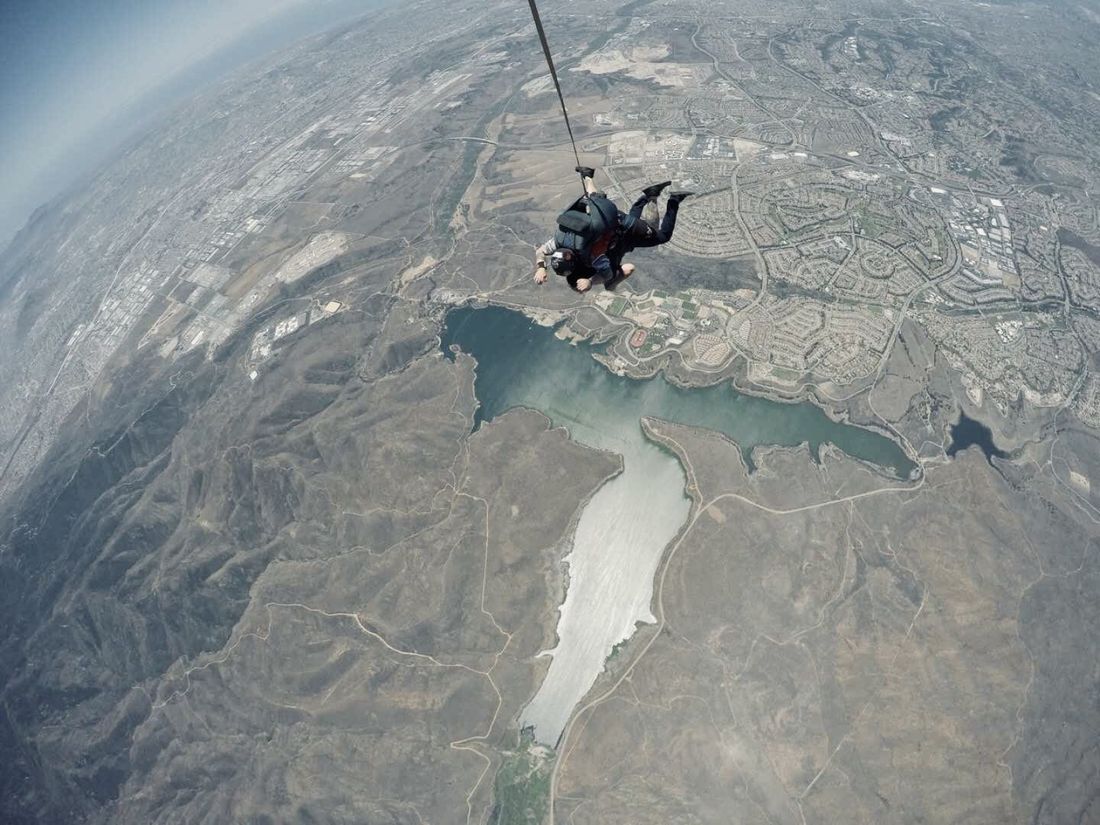
The instructor is responsible for the student from the aircraft door to the landing area
- What does a skydiving instructor do?
- What is the path from first jump to instructor?
- How many jumps and which certificates are required?
- What skills make a good instructor?
- What is the instructor's safety responsibility?
- What are the career options in Latvia and abroad?
- How do you start the path to an instructor career?
- FAQ
What does a skydiving instructor do?
A skydiving instructor is a certified professional who teaches people to jump safely and is personally responsible for the student's safety in the air. The profession combines sporta, aviācijas un pedagoģijas elements — sport, aviation and teaching — in one role. Rating standards are set internationally by the US-based USPA and by the world air sports federation FAI, while in Latvia professional practice is overseen by the Latvian Skydiving Federation (LIF).
This is not an extended hobby. An instructor rating is a separate qualification with written exams, evaluation jumps and regular renewal. In April 2026 LIF ran a freefall instructor competence seminar led by Indulis Baumgarts (LIF) and Reinis Rūtentāls (Skydive Latvia) — continuous professional development is the norm in this field, not an option.
What is the path from first jump to instructor?
The path runs through four licences. The typical sequence: a tandem jump, the AFF course (8 training levels with instructors), an A licence after 25 jumps, B after 50, C after 200 and D after 500 jumps. Only then can a candidate attend an instructor rating course.
The foundation is AFF (Accelerated Free Fall) — the most widely used training method in the world, where the student jumps with two instructors from day one and learns freefall control, deployment and landing. In Latvia, AFF training to USPA standards is run by Skydive Latvia at Limbaži airfield: ground school, 8 levels of jumps with video analysis, and a certificate for independent jumps at the end of the course. An overview of the disciplines you can later specialise in is in the guide to types of skydiving.
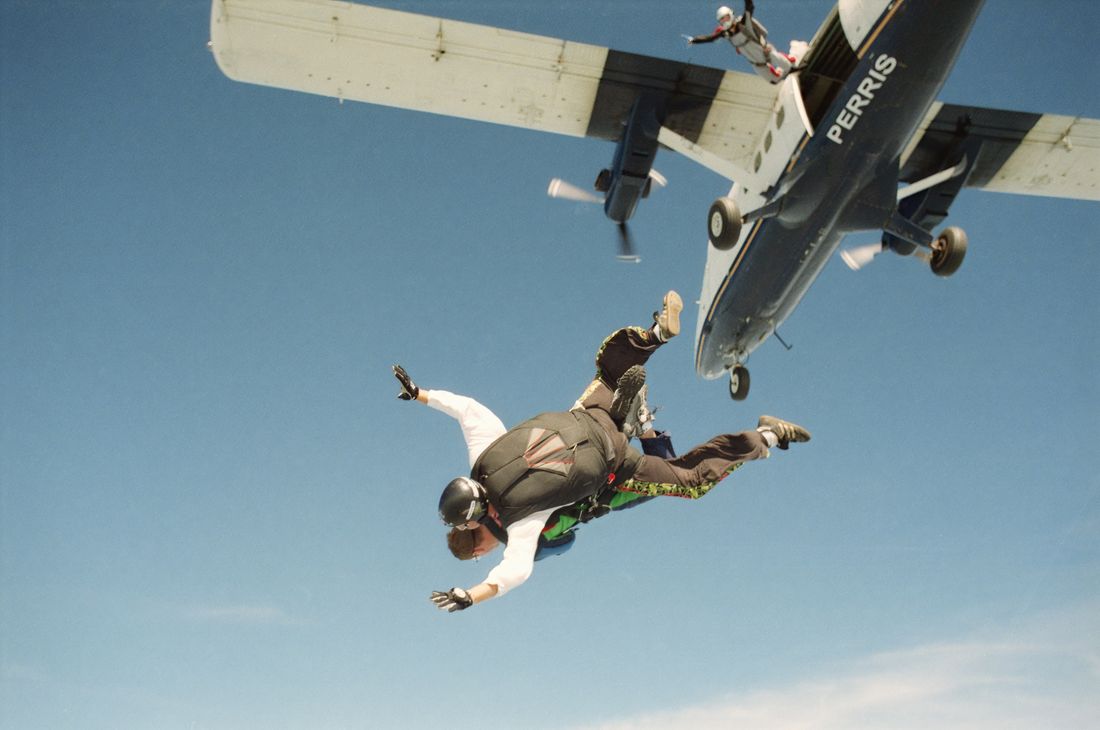
On AFF level jumps the student exits together with certified instructors
How many jumps and which certificates are required?
Requirements depend on the rating. Under USPA standards, the Coach rating requires 100 jumps and a B licence; an AFF Instructor needs a C licence, 6 hours of freefall time and coaching experience; a Tandem Instructor needs at least 500 jumps, 3 years in the sport, a D licence and a valid aviation medical. In European overviews of how many jumps an average experienced instructor has — such as the profile of a vidēji pieredzējušam instruktoram — the figure of around 800 jumps is common: in practice candidates arrive at courses with more experience than the formal minimum.
| Rating (USPA) | Minimum requirements | What it allows |
|---|---|---|
| Coach | 100 jumps, B licence | Working with students after AFF graduation |
| AFF Instructor | C licence (200+ jumps), 6 h freefall, Coach rating held 1 year or 500 jumps | Running AFF training and first-jump courses |
| Tandem Instructor | 500 jumps, 3 years in the sport, D licence, medical certificate | Tandem jumps with first-time passengers |
Certification frameworks worth knowing in Latvia
A USPA (United States Parachute Association) rating is the most widely recognised internationally and opens drop zones worldwide. The FAI maintains the unified international qualification system — the FAI Certificate of Proficiency at levels A, B, C and D, issued through national federations and valid for life. LIF represents Latvia in the FAI system, and coaching work in Latvia additionally requires a sports specialist certificate issued by the Latvian Sports Federations Council for five years. A well-known European framework is also British Skydiving (until 2020 the British Parachute Association, BPA).
What skills make a good instructor?
Jump numbers are only the entry ticket. A good instructor combines rock-solid body flight in any position, complete equipment knowledge, teaching flexibility and calm under pressure. In the air the instructor simultaneously tracks the student's position, the altitude and the conditions — and must be able to physically correct a student's mistakes in freefall.
Teaching here is not abstract: one student responds to visual signals, another needs a detailed ground explanation. Instructors use standardised hand signals in the air and short, clear language before the jump. Stress management matters just as much — if a student loses stability, the instructor has seconds to resolve it, and that composure is a trained skill, not a talent.
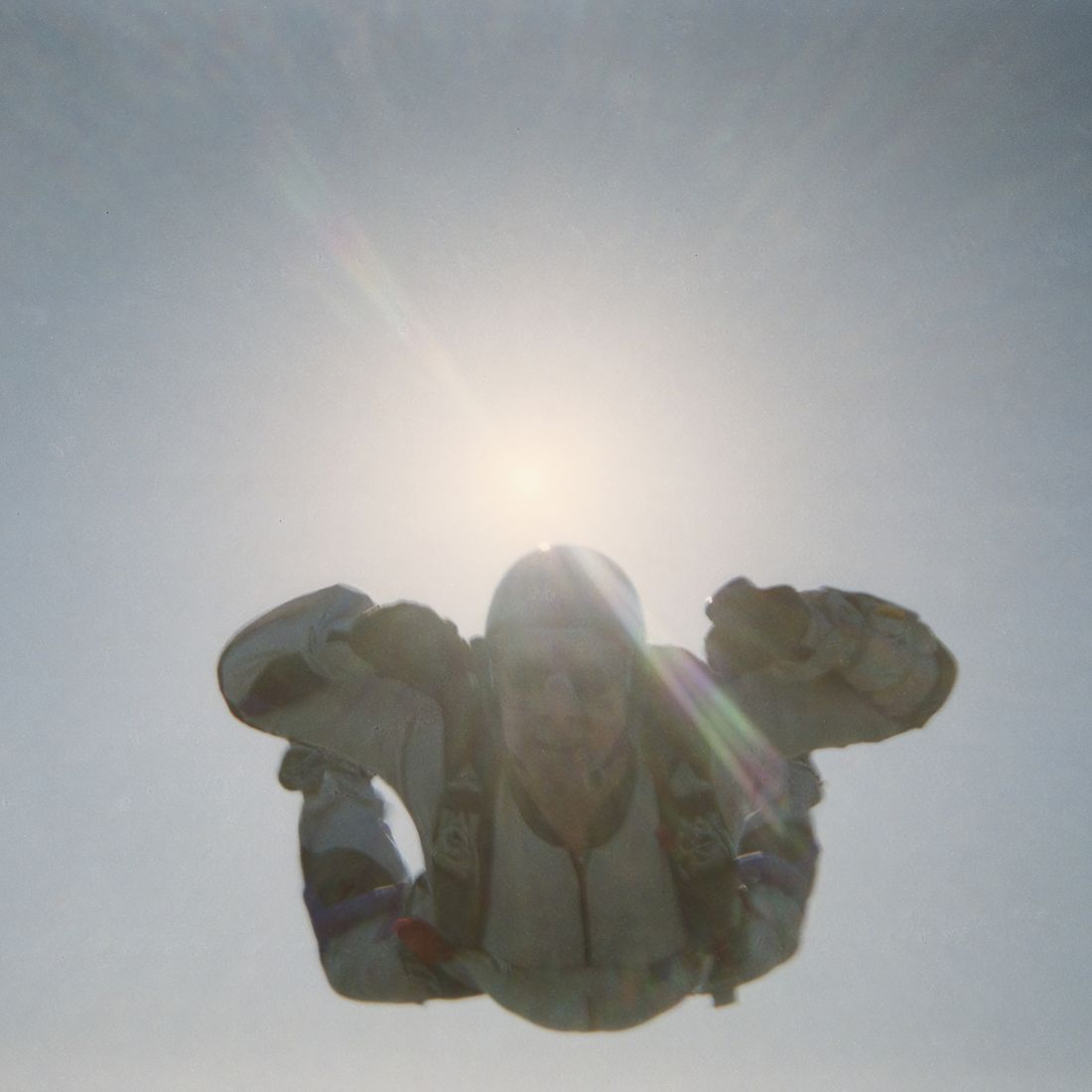
Stable freefall control in every position is the instructor's technical foundation
What is the instructor's safety responsibility?
Safety is the instructor's primary responsibility: equipment checks before every session, weather assessment, evaluating the student's readiness and documenting every jump. The final go/no-go decision belongs to the instructor — and that competence directly shapes the whole industry's statistics.
The numbers back this up: according to the USPA 2024 fatality summary, the US recorded 9 fatalities across roughly 3.88 million jumps — 0.23 per 100,000 jumps, the lowest rate since record-keeping began in 1961. The methodological backbone is the USPA Integrated Student Program (ISP): standardised procedures for every training stage, clear evaluation criteria and documentation requirements. For a closer look at what an instructor prevents every day, see the article on the main risks in skydiving (in Latvian).
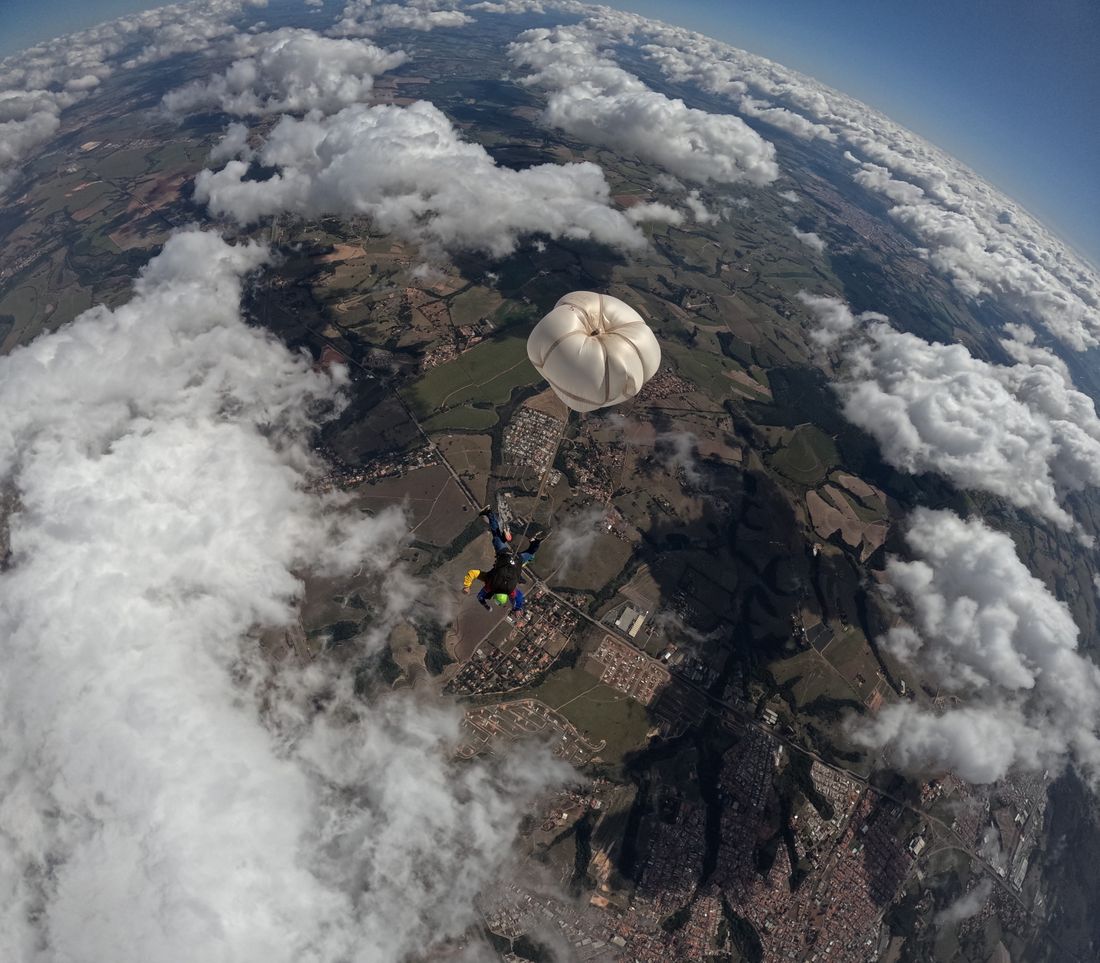
Every safe landing starts with the instructor's equipment checks and decisions on the ground
What are the career options in Latvia and abroad?
In Latvia the active season runs April to October, so many instructors spend winters working in warmer countries or renewing certificates and teaching theory. The local market is small but real: Skydive Latvia instructors such as Sergejs Plotņikovs, Reinis Rūtentāls and Genādijs Urbans — each with 25 years in the sport and more than 3,000 jumps — work with both tandem passengers and AFF students at Limbaži, about an hour from Riga.
Internationally, a USPA rating opens drop zones in Spain, Italy, Australia and the Gulf states — Spain jumps almost year-round, making it a popular winter base for Baltic instructors. Careers grow step by step: from AFF or tandem instructor to senior instructor, examiner or drop zone safety officer. The industry runs on community: sporta tradīciju atbalsts and mentoring from experienced colleagues help new instructors survive their first full seasons. A good marker of Latvia's level: in September 2026 Limbaži airfield is set to host the country's first national freefly head-down record attempt, organised by Skydive Latvia chief instructor Reinis Rūtentāls.
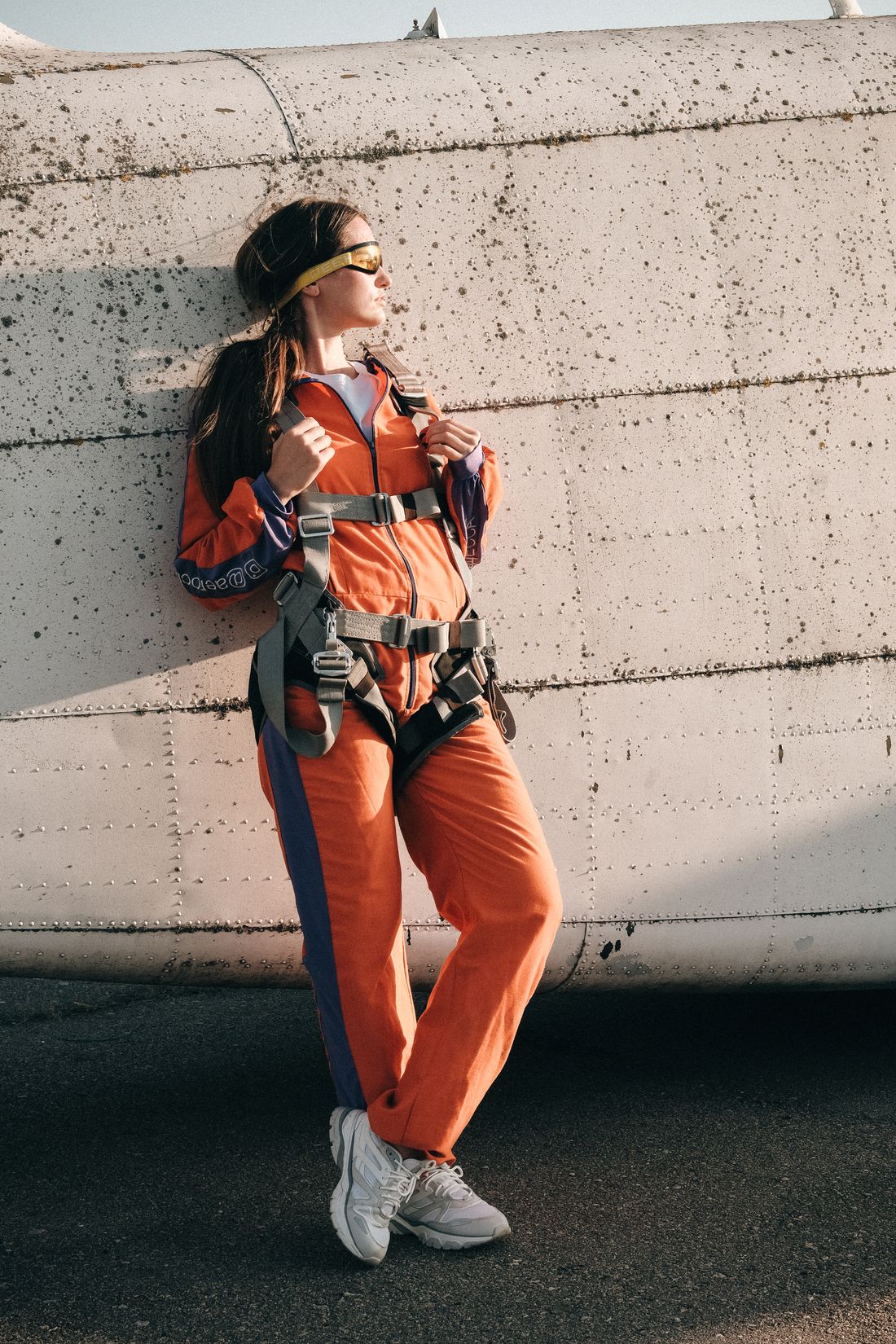
An instructor's day at the airfield: briefings, gear checks and student work
| Career stage | Typical roles |
|---|---|
| Entry level | Coach, AFF instructor, tandem instructor |
| Mid level | Senior instructor, safety coordinator |
| Top level | Examiner, drop zone manager, federation expert |
How do you start the path to an instructor career?
The first step is not a course — it is a jump. A tandem jump from 4,000 m for €249 lets you experience freefall and see whether this path is yours — and watch how your instructor works, not only what you do. The next step is the full AFF course for €1,790 (theory from €40) at Skydive Latvia, the only USPA- and FAI-certified AFF centre in the Baltics. If you want to give this experience to someone, Skydive Latvia gift cards have no expiration date.

The video shows a Skydive Latvia tandem jump from preparation at the airfield to the landing:
FAQ
How many jumps do you need before an instructor course?
It depends on the rating: the USPA Coach course requires 100 jumps and a B licence, the AFF Instructor course a C licence with 200+ jumps and 6 hours of freefall, and the Tandem Instructor rating at least 500 jumps and 3 years in the sport. In practice candidates usually have more experience than the formal minimum.
Which certificate do you need to work in Latvia?
Skydiving in Latvia is represented by the Latvian Skydiving Federation (LIF), and coaching work additionally requires a sports specialist certificate issued by the Latvian Sports Federations Council, valid for five years. A USPA rating in parallel opens international work options.
How long does an instructor rating course take?
A USPA AFF Instructor course usually takes 6–8 days and includes theory, written exams and evaluation jumps with an examiner. A tandem rating course takes 2–3 days plus practice jumps. The preparation before the course — building experience and pre-course jumps — takes considerably longer.
Is skydiving a safe profession?
According to USPA data for 2024, the US recorded 0.23 fatalities per 100,000 jumps — the lowest rate since 1961. Risk exists, but it is managed precisely by professional instructors: equipment checks, weather assessment and standardised training procedures.
Can you work abroad with a qualification earned in Latvia?
Yes. The FAI Certificate of Proficiency is recognised across FAI member countries, and a USPA rating is the most in-demand internationally. Skydive Latvia AFF graduates can also apply for a USPA licence, which opens drop zones worldwide.
Where do you start if the goal is an instructor career?
With a tandem jump (€249) to experience freefall, then the full AFF course (€1,790, theory from €40) at Skydive Latvia at Limbaži airfield. After the course comes the licence path from A to D and building experience towards a rating course.
