

Thinking about skydiving is on many people's bucket lists. If you live in Riga and are looking for a way to make this dream come true safely and without lengthy training, then a tandem skydive is exactly what you need. It's designed specifically for first-timers – no prior experience required, but with maximum safety and unforgettable emotions.
In this guide, we'll explain the entire process from A to Z in detail, so you can prepare for your first tandem jump with confidence.

How a Tandem Jump Works: Step-by-Step Process
Many people worry that the process is complicated, but in reality, your tandem instructor does most of the work. Your main job is to breathe and enjoy. Here's how it all happens:
- Arrival and Registration
You arrive at the airfield at the scheduled time. Our administrators will greet you, verify your booking, and ask you to fill out the necessary documents and health questionnaire.
- Safety Briefing
Your tandem instructor will introduce themselves and conduct approximately a 15-minute briefing. They'll explain the basic safety principles, how to arch your body properly during freefall (the famous "banana" position), and how to lift your legs during landing.
- Gearing Up
The instructor will help you put on the special passenger harness, which is very durable and comfortable. It will be carefully adjusted to fit your body. You'll also receive special goggles.
- Boarding the Aircraft and Flight
Together with your instructor and other jumpers, you'll board our modern Pilatus Porter PC-6 aircraft – a STOL-type aircraft with low landing speed and high reliability for skydiving. The flight to the required altitude (depending on your choice – 4000m, 4800m, or even 5500m) takes only 12–15 minutes thanks to our powerful aircraft.
- Final Check and Jump!
A few minutes before the jump, the instructor will securely attach you to their system with four extra-strong connection points. When the aircraft reaches the required altitude, the door will open. You and your instructor will approach the edge, and... jump!
- Freefall
The first seconds are amazing. You'll experience freefall at approximately 200 km/h. Thanks to the high altitude we reach, it lasts from 60 to 90 seconds (depending on jump altitude). Contrary to myths, breathing is easy – it feels like being in strong wind.
- Parachute Opening and Flight
At approximately 1500 meters altitude, the instructor will deploy the tandem parachute. You'll feel a strong but smooth deceleration, and then silence sets in. The canopy flight begins, lasting 5–7 minutes. If you wish, the instructor can let you try steering the parachute.
- Soft Landing
Before landing, the instructor will ask you to lift your legs so they touch the ground first. Landings are usually very soft, often simply sitting down on the grass.
Safety First: Who Are You Trusting Your Life To?
The biggest question is always about safety. Tandem skydiving is statistically safer than driving a car, thanks to three main factors: instructor qualifications, equipment, and procedures. Learn more about safety at Skydive Latvia in our full article on tandem skydiving safety.
1. Instructor Qualifications
Each of our instructors has several thousand jumps, and some team members have experience exceeding 10,000 jumps. Our team continuously works on improving skills and advancing qualifications in skydiving. They are professionals whose work is regulated by both the Latvian Parachuting Federation (LIF), of which we are members, international standards (such as the United States Parachute Association (USPA)), and the Latvian Civil Aviation Agency. To obtain a tandem instructor license, a candidate must have:
- At least 3 years of skydiving experience;
- Completed at least 500 jumps (as a minimum to begin training);
- Obtained the highest "D" athlete license;
- Passed a special medical examination;
- Completed an intensive training course and examinations.
If you have questions about qualifications, feel free to contact us on our contact page.
2. Modern Equipment
Every tandem jump uses equipment worth over 10,000 euros, equipped with a dual safety system:
- Two parachutes: The system has a main parachute and a reserve parachute. The reserve parachute is inspected and repacked by a certified specialist (rigger) at set intervals, regardless of whether it has been used.
- AAD (Automatic Activation Device): Each system is equipped with an AAD – a small computer that will automatically deploy the reserve parachute at a certain altitude if the instructor hasn't done so for any reason.

Preparing for Your Jump: What to Wear and Bring
No special preparation is required, but a few tips will make your experience more comfortable.
What to Wear?
- Clothing: Comfort is key. Wear comfortable, sporty clothes that don't restrict movement (leggings, sweatpants, T-shirt, sweater). Jeans are not recommended.
- Layers: Dress in layers. The air at altitude is about 20 degrees cooler than on the ground. On cooler days, thermal underwear or a fleece jacket is useful. We'll also provide you with a special jumpsuit to wear over your clothes.
- Footwear: Closed athletic shoes are mandatory (sneakers, running shoes). Absolutely no sandals, flip-flops, or heels!
- Other accessories: If you wear glasses, you can keep them under the large goggles. Contact lenses are also fine. All jewelry (rings, earrings, necklaces) is best left in the car or at home.
What to Bring?
- ID document (passport or ID card).
- A small snack and water.
- Your friends and family! They can watch your landing from a designated viewing area.
- A good mood and readiness for adventure.
Can I Jump? Health and Weight Restrictions
Safety is the priority, so there are some strict restrictions set according to equipment manufacturer requirements and Latvian legislation.
- Weight: The maximum passenger weight is typically 105 kg. This isn't about discrimination, but about the parachute system's certified total load (passenger + instructor + equipment). Weight may be verified on-site.
- Height: The weight-to-height ratio is more important, to ensure the passenger harness can be safely adjusted.
- Age: Jumps can be made by persons 18 years and older. For jumps from age 16 (requires written parental consent and presence), please contact us separately.
- Health: You'll need to sign a declaration that you don't have certain conditions. You cannot jump if you have:
- Epilepsy or history of seizures.
- Serious cardiovascular diseases (e.g., recent heart attack).
- Serious spinal injuries.
- If you are pregnant.
Important: Being under the influence of alcohol or drugs is absolutely prohibited. If the instructor suspects intoxication, the jump will be refused without refund.

Weather Conditions and Seasonality in Latvia
Tandem skydiving is entirely dependent on Mother Nature. The season in Latvia typically runs from April to October. Three conditions are needed for a jump to happen:
- No precipitation: We don't jump in rain.
- Low wind: Too strong or gusty wind at ground level makes landing dangerous.
- High cloud base: We need to see the ground from jump altitude. If there's low, thick cloud cover, jumps don't happen.
We regularly monitor LVĢMC forecasts. If weather conditions are unfavorable on your booking date, we'll contact you and reschedule the jump to another convenient time.
Pricing Factors and Booking
The price of a tandem skydive may seem high, but it includes very expensive costs: instructor salary (a top-class professional), fuel and maintenance for the powerful turboprop aircraft, equipment and its regular maintenance, airfield upkeep, and other expenses.
Main factors affecting price:
- Jump altitude: We offer jumps from 4000m, 4800m, and even 5500m. This is significantly higher than other Baltic operators who often use older aircraft and jump only from 3000m. Greater altitude means longer freefall.
- Top-class equipment: We use only the best US-made equipment from leading manufacturers. Each system is worth 10,000–15,000 euros. Our instructors also regularly pass expensive qualification exams to maintain the highest safety standards.
- Photo and video services: The most popular option is video filmed by the instructor with a handheld camera (Handycam) or a separate cameraman who jumps alongside you.
Book Your Adventure Today!
When planning a jump, especially on summer weekends, we recommend booking in advance. The number of spots on each flight is limited.
Most Common First-Jump Mistakes
- Not eating breakfast. Many think they'll feel sick, so they arrive on an empty stomach. This is a mistake. Adrenaline uses energy. Have a light breakfast or lunch 2 hours before the jump.
- Forgetting about footwear. Arriving in sandals or high heels will have you looking to borrow shoes, or in the worst case – refusing the jump.
- Not listening to the instructor. Your instructor has made thousands of jumps. When they say "lift your legs" during landing, you need to do it immediately. It's for your safety.
- Trying to film with your own camera. For safety reasons, passengers are prohibited from bringing any items, including their own GoPro cameras. They can fall out and create hazards on the ground or get tangled in parachute lines.
Logistics: How to Get from Riga to the Airfield
Our base airfield is Limbaži Airfield (Langači), one of the most active small aviation centers in Latvia, located within convenient reach of Riga.
- By car: The drive from Riga center takes approximately 1 hour (about 80 km). Take the A1 highway (Tallinn highway), then turn onto P11. It's easiest to enter "Limbaži airfield" or "Skydive Latvia" in your navigation. Free parking is available on-site.
- By public transport: Take the Riga–Limbaži bus and get off at Limbaži bus station. Be sure to call us in advance, and we can pick you up from there and take you to the airfield.
We recommend planning your arrival with some extra time so everything happens without rush. You can find the exact address and map on our contact page.

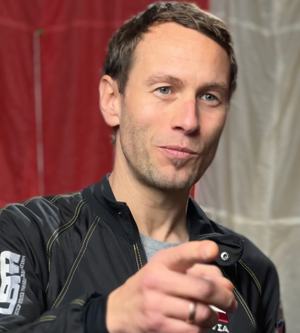
About the Author: Sergejs Plotnikovs
AFF Instructor. Tandem Instructor. Wind Tunnel Instructor. 20 years in the sport. Over 2000 jumps.
Connect on LinkedInFrequently Asked Questions (FAQ)
How much time should I plan at the airfield?
Plan to spend at least 2 to 3 hours at the airfield. Although the process itself (from briefing to landing) takes about an hour, sometimes you may need to wait for your turn or suitable weather conditions.
Is it hard to breathe during freefall?
No. This is a very common concern. Although the wind is strong (about 200 km/h), it doesn't prevent breathing. It's similar to sticking your head out of a moving car window.
What does a tandem jump feel like? Is there a "falling" sensation?
Interestingly, no. You won't feel your stomach "rise" like on a roller coaster. Since you jump from a moving aircraft, the sensation is more like floating on a very powerful air cushion rather than falling.
Is landing painful?
Modern tandem parachutes are very controllable. The instructor will reduce speed before landing. Landing is usually very soft, comparable to jumping off one or two steps. Your job is just to lift your legs.
What if I'm afraid of heights?
Most people who jump have some fear of heights. But at 4000 meters, the view is so abstract and vast that the brain doesn't perceive it as a dangerous height (unlike standing on a balcony edge). Many say the jump even helped reduce these fears.
Can I bring my own GoPro camera?
No. Safety regulations (both ours and international) prohibit passengers from bringing any of their own equipment. A lost camera can pose a serious risk. Trust filming to the professionals – order video from us.
Is a tandem jump a good gift for a man or woman?
It's a fantastic gift for anyone! It's unforgettable emotions and an adventure that both men and women appreciate. Our experience shows absolutely everyone is thrilled. You can purchase a tandem jump gift card on our website.
What if the parachute doesn't open?
Modern parachute systems have two parachutes: main and reserve. The reserve parachute is specially designed and packed to always open safely. Additionally, each system is equipped with an AAD (Automatic Activation Device) – a small computer that will automatically deploy the reserve parachute at a certain altitude if the instructor hasn't done so. The risk is minimal, and tandem skydiving is much safer than riding a motorcycle.