

More than 60 percent of extreme sports beginners in Latvia choose rope jumping to experience their first feeling of free fall. When adrenaline takes over and the heart beats faster, the decision to make your first jump becomes a real adventure dream come true. In this article, you will learn how rope jumping is done, how to distinguish between types of jumps, and what you need to know about safety requirements in Latvia so that your first experience is not only exciting, but also safe.
Table of contents
- What is rope jumping and how does it happen?
- Types of rope jumping and key differences
- Safety requirements and the importance of equipment
- Risks, legal environment and Latvian practice
- How to prepare for your first rope jumping jump
Main conclusions
| Point | Detailing |
|---|---|
| Definition of rope jumping | Rope jumping is an extreme sport in which an athlete jumps from a high point using an elastic rope. |
| Safety as a priority | Before jumping, a complete equipment check must be performed and general safety rules must be followed. |
| Types of bends | There are different types of rope jumping that vary in difficulty and technical complexity. |
| Preparation process | Physical and psychological preparation is essential, including professional training and exercises. |
What is rope jumping and how does it happen?
Ropejumping is an extremely exciting extreme sport that offers a special sense of freedom. It is similar to other vertical adventures, but with its own unique approach. Ropejumping is an activity in which a person jumps from a high point - a cliff, bridge or other vertical structure - using a special low-elastic rope, which is different from the traditional rubber or bungee jump.
Technically, this extreme sport involves a complex system of safety and physical training. During the jump, the athlete is attached to a high-strength rope, which provides a controlled fall with an extended free-fall phase. Unlike bungee jumping, where the elasticity of the rubber limits the fall, rope jumping uses a low-stretch rope, which allows the athlete to enjoy the feeling of free fall for a longer time and stop much closer to the ground.
To perform a ropejumping jump, careful preparation and the use of professional equipment are required. The athlete must be equipped with a safety system that includes a special rope, safety harness, carabiners and protective equipment. Before the jump, the instructor conducts a detailed equipment check and provides precise instructions on correct positioning and safety rules.
Pro Tip: Always consult an experienced instructor before your first ropejumping jump and make sure you have a full understanding of safety procedures and equipment use.
Types of rope jumping and key differences
Rope jumping is a diverse extreme sport with several specialized jump types that vary in difficulty, equipment, and technical complexity. Rope jumping types include a variety of techniques that are suitable for both beginners and experienced athletes.
One of the most popular types of rope jumping is the classic jump from a cliff or a high bridge, where the athlete uses a special low-elastic rope. Here, several basic positions can be distinguished: a vertical jump, where the athlete falls in a straight line; a lateral jump, which involves rotation during flight; and a free-motion jump, which requires high technical preparation. Parachuting provides additional safety options for more complex extreme jumps.
Depending on the equipment and technical complexity, rope jumping jumps can be divided into several categories. At the beginner level, shorter and more stable ropes with a higher safety factor are used, while experienced athletes choose long, thin high-strength ropes that allow for more complex movements in the air. There is also a significant difference in the height of the jump - from 20-30 meters to 100-meter high jumps, which require special physical and psychological preparation.
Pro tip: Before choosing a specific type of rope jumping, consult with an experienced instructor who can assess your physical fitness and provide personalized recommendations for a safe jump.
Summarizing the main categories of rope jumping jumps, we offer a comparative table of difficulty and suitability:
| Jump type | Difficulty level | Recommended participant | The main difference |
|---|---|---|---|
| Vertical jump | Medium | Beginner | Falling in a straight line |
| Side jump | High | Experienced athlete | Rotation during flight |
| Free-motion jump | Very high | Expert | Complex technique in the air |
Safety requirements and the importance of equipment
Safety is absolutely critical in rope jumping, where every detail can make the difference between a successful adventure and potential danger. The use of safety equipment requires special attention and a professional approach, where personal protective equipment is a prerequisite.
Basic equipment includes several essential components: a special safety line, high-quality cord, safety harness, helmet, goggles and special gloves. Tandem skydiving safety provides additional insight into choosing the right equipment. Each piece of equipment must be certified, regularly tested and comply with international safety standards.
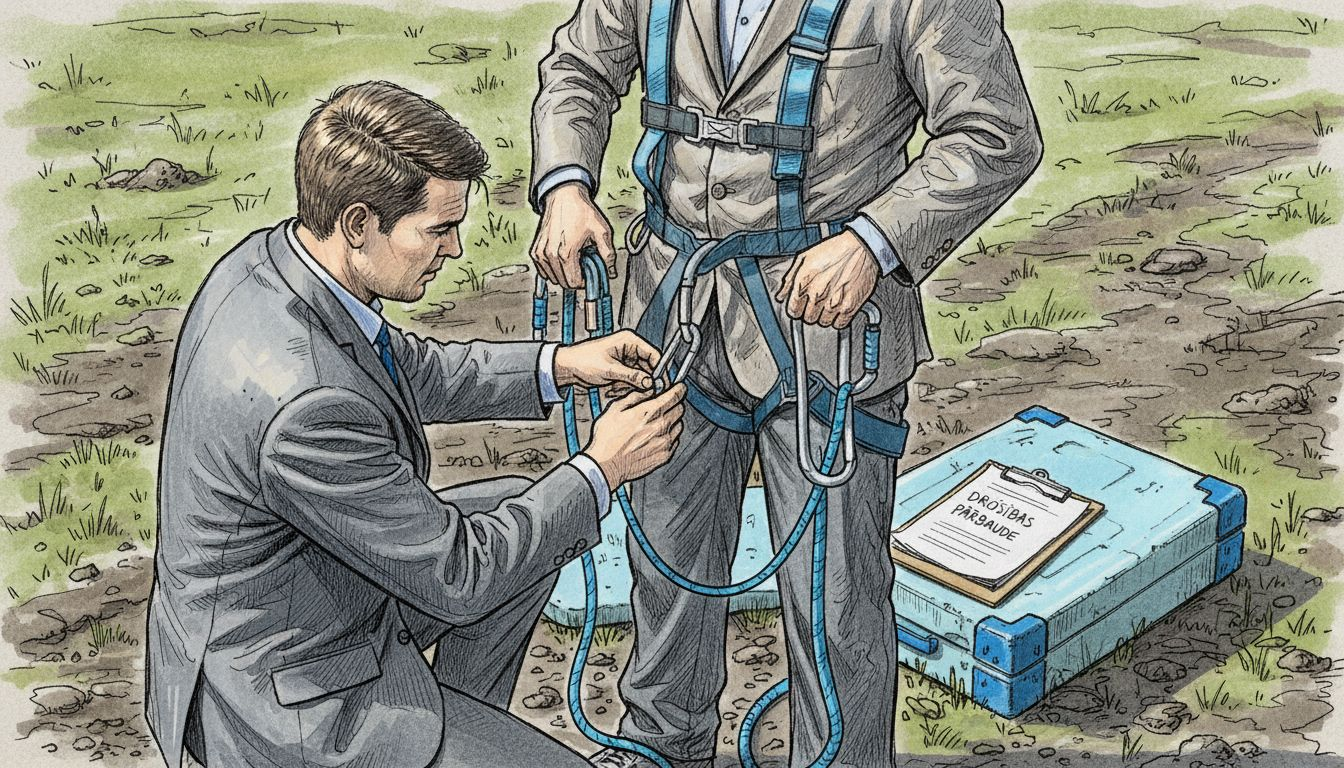
Before each jump, instructors must conduct a detailed risk assessment, checking both individual equipment and general jumping conditions. The athlete's physical and psychological preparation, which includes both physical form and emotional resilience, is also essential. The correct choice of equipment and technical preparation can significantly reduce potential risks.
Pro tip: Always do a complete equipment check before jumping and do not begin the activity if anything seems unsafe or there is the slightest doubt about the quality of the equipment.
Here is a comparative overview of the main elements of rope jumping equipment and their importance:
| Part of the equipment | Function | Possible consequences without it | The importance of certification |
|---|---|---|---|
| Safety line | Prevents falling to the ground | Increased risk of injury | Ensures compliance with standards |
| Seat belt | Secures the athlete to the rope | Lack of protection | Guarantees reliability |
| Helmet | Protects the head from impacts | Risk of skull injury | Reduces the consequences of accidents |
| Gloves | Improves grip, protects hands | Abrasions, burns | Increases safety |
Risks, legal environment and Latvian practice
Ropejumping in Latvia operates in a complex legal environment where safety regulations and legal requirements are crucial. The Latvian labor protection legal framework sets strict standards for the organization of extreme sports, paying special attention to risk assessment and participant safety.

Extreme sports organizers in Latvia are subject to several legal obligations. They must ensure that participants are fully informed about potential risks, conduct a detailed risk analysis, and develop precise safety instructions. Skydiving myths and true answers help you better understand the legal aspects and safety requirements.
Latvian law stipulates strict rules regarding insurance and personal liability in extreme sports. Organizers must provide professional medical care, conduct health checks of participants, and provide full information about possible risks. In addition, each participant must sign a detailed liability waiver form, confirming their understanding of the potential dangers.
Pro Tip: Before any extreme activity, carefully read all legal documents, consult with your instructor, and make sure you fully understand your rights and responsibilities.
How to prepare for your first rope jumping jump
Preparing for your first ropejumping jump is a complex process that requires both physical and psychological readiness. The basic principles of injury prevention include a thorough warm-up, choosing the right equipment, and gradually mastering the skills. An oxygen tandem jump can serve as a great way to gain your first experience in extreme sports.
Physical preparation includes several essential components. It is important to be in good physical shape and perform targeted exercises that strengthen the muscles of the back, legs and arms. It is recommended to do cardio training that improves endurance, as well as specific strength exercises that will help to better control the body during the jump. In addition to physical preparation, it is also necessary to pay attention to psychological readiness - reduce fear and strengthen self-confidence.
Before your first jump, it is mandatory to attend training led by a professional instructor. AFF skydiving training can provide the necessary skills for safe behavior in extreme situations. The instructor will introduce you to the equipment, safety rules, correct movements in the air and actions in emergency situations. It is important to ask all questions of interest and fully understand the instructions.
Pro tip: Before jumping, do deep breathing exercises and focus on positive thoughts to reduce stress and stay calm.
Discover the Freedom and Safety of Ropejumping With Skydive.lv
If ropejumping appeals to your desire to experience a real sense of freedom and challenge, but also cares about safety and a professional approach, Skydive Latvia is the right place for you. Our offer is not just about adrenaline – it is about careful preparation, top-class equipment and the support of certified instructors. Here you can develop your skills, both as a beginner and an experienced extreme sports enthusiast with AFF training and receive comprehensive information and safety guarantees.

Don't delay in making your dream come true and move from dreams to real experience. Start with a safe step - check out our range of offers on the Skydive Latvia website and book your first step into the feeling of freedom. Safety, adrenaline and a professional team are waiting for you today at skydive.lv !
Frequently Asked Questions
What is rope jumping?
Rope jumping is an extreme sport in which athletes jump from a high point using a special low-elastic rope that provides a controlled fall and the feeling of free fall.
What are the main safety measures when rope jumping?
Safety requires the use of quality equipment, including safety lines, belts, helmets, and other protective gear, as well as instructor training and equipment testing.
How to choose the right type of rope jumping?
The choice of type depends on your physical fitness and experience. Beginners are advised to start with simpler, less complex jumps and gradually move on to more difficult ones.
How to prepare for your first rope jumping jump?
Preparation includes physical training, instructor training, and understanding safety rules, as well as emotional preparation to reduce stress and fear.
Recommendation
- Adrenaline Adventures in Latvia 2026 | Extreme Activities | Skydive – Skydive Latvia
- Extreme recreation in Latvia: Adrenaline-filled opportunities – Skydive Latvia
- Oxygen tandem jump from 5.5 km | Skydive Latvia
- Gift for Girlfriend: Complete Extreme Adventure Guide – Skydive Latvia
- Why Hyrox Athletes Need Electrolytes for Performance – Interval
- The best tips for successful Splashdiving: Technik und Stil